
Speckle Park joins the next chapter of Australian beef genetics
For four decades, Australian beef has led the world in using genetics to breed better cattle. Since BREEDPLAN arrived in 1985, generations of breeders have recorded, measured and selected their way to herds that are more productive, more profitable and better suited to their markets. MLA estimates those gains are worth $11.6 billion to the industry.
Speckle Park is part of the next chapter. As Meat & Livestock Australia develops multibreed genetic evaluation, Speckle Park International is taking part. That puts one of the country's most dynamic breeds right where the future of Australian beef genetics is being shaped.
SPI Vice Chairman and Chair of Breed Development Tim Weller said it was about giving Speckle Park breeders the tools to keep moving forward.
“Our breeders have built something special with Speckle Park, and our commercial clients are seeing the results,” Tim said. “But there are traits our buyers ask about, like calving ease, docility and feed efficiency, that we simply haven’t been able to measure on our own. Being part of this project gives us a pathway to that information as the future of genetic evaluation in Australia takes shape. We want to be part of it, not watching from the sidelines.”
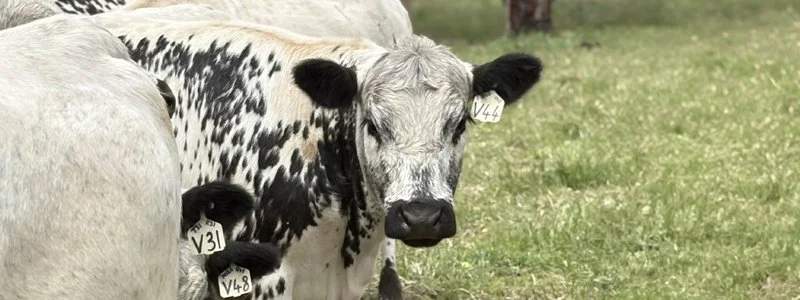
The breed's momentum speaks for itself. As first reported by Matthew Dalgleish in The shift in national cattle breed mix (Episode 3, 22 July 2026), MLA's Beef Producer Intentions Survey shows Speckle Park breeding female numbers grew 32.1% between 2023 and 2025. That's more than double the growth of the national breeding herd over the same period. Producers are backing Speckle Park in their breeding programs, drawn to the breed's carcase performance, with dressing percentages of 60% and above common in first-cross cattle.
For seedstock breeders, EBVs turn careful recording into objective evidence. For commercial buyers, they take the guesswork out of choosing a bull that suits their herd and their market. Speckle Park moved to Single-Step BREEDPLAN in 2023, combining genomics with pedigree and performance records. Today our breeders have 14 EBVs and four selection indexes built for domestic and export markets.
Filling the gaps together
BREEDPLAN underpins genetic evaluation for more than 20 Australian beef breeds, from Angus and Charolais in the south to Brahman and Santa Gertrudis in the north. Breeds with large recorded populations and long performance histories have been able to develop EBVs for traits that need extensive data to estimate reliably, including calving ease, days to calving, docility and feed efficiency. These traits carry significant economic weight in commercial operations, but they are also among the most difficult and costly to record. For a breed of Speckle Park's size, building a reference population large enough to support accurate EBVs for these traits would take many years and considerable investment.
Multibreed evaluation offers a different pathway. By analysing recorded cattle from multiple breeds together, it allows genetic merit to be estimated on a common scale. Speckle Park stands to benefit from the depth of performance, pedigree and genomic data held across a much larger population, particularly for traits where our own records are limited. A shared analysis spreads the cost of data collection and strengthens breeding outcomes for Speckle Park and the wider beef industry.
For Speckle Park seedstock producers, this is an opportunity to present our genetics to commercial buyers with objective, comparable information. Cross-breed comparisons will let bull buyers weigh Speckle Park sires against other options, whatever their herd or breeding program. The strength of any seedstock business rests on the confidence of its commercial customers, and better information builds that confidence over time. For the wider industry, it supports more consistent sire selection decisions and gives commercial producers the data to assess Speckle Park genetics on their merits.
MLA is currently targeting 2028 for the temperate breed evaluation. With Speckle Park genetics moving between Australia and New Zealand, stronger information on one side of the Tasman benefits the breed on both. SPI will continue working with MLA and keep members informed as the project progresses. In the meantime, complete and accurate performance recording remains the most valuable contribution breeders can make. Every accurate record strengthens Speckle Park's place in the national picture.
READ MORE ABOUT THE PROGRAM: Multibreed Genetic Evaluation
