Transparency around myostatin reflects changing buyer expectations
A leading genetics researcher has reinforced the importance of transparency around the myostatin gene, with Speckle Park identified as one of the breeds already adopting a proactive, science-led approach.
David Johnston, principal research scientist at the Animal Genetics and Breeding Unit, recently told industry media that momentum toward open disclosure of myostatin status is building across breeds. He noted that Droughtmaster and Speckle Park studs are among those already publishing myostatin status alongside pedigrees in recent sales.
Myostatin is a gene involved in regulating muscle growth. Certain mutations can increase muscle yield and eye muscle area and, in some cases, contribute to improved tenderness. However, these same mutations may also be associated with increased birth weight, calving difficulty, lighter bone and potential impacts on fertility, particularly where animals carry two copies of the mutation.
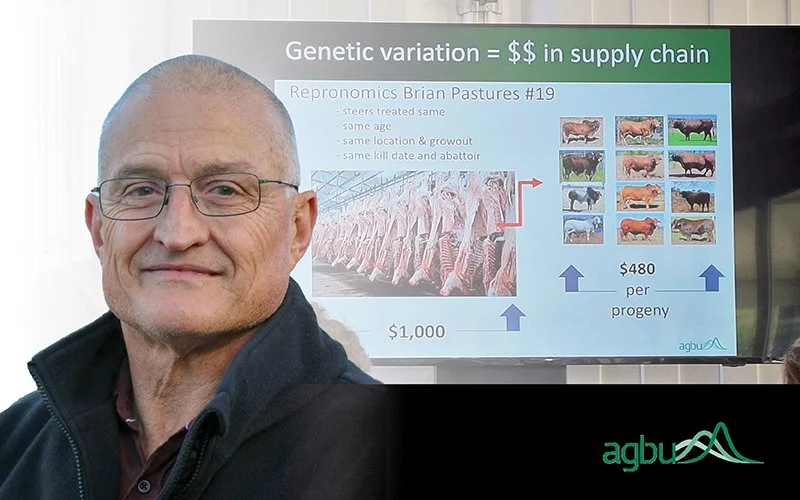
David Johnston, principal research scientist at the Animal Genetics and Breeding Unit
Dr Johnston emphasised that myostatin should not be viewed as inherently good or bad. Instead, he described it as a genetic tool that can be managed when breeders have accurate information and make deliberate breeding decisions.
“It’s not good or bad — it’s just about how you choose to use it. Buyers are already asking the question, and over time I think they’ll expect to see that information,” Dr Johnston said.
Research conducted through AGBU has shown that myostatin mutations are present, to varying degrees, across many breeds. Importantly, even a single copy of some mutations can influence an animal’s phenotype, meaning carriers cannot always be identified visually. DNA testing therefore plays a key role in allowing breeders to manage risk and avoid unintended outcomes.
The growing focus on transparency reflects broader changes in buyer expectations and the increasing role of objective data in breeding decisions. Publishing myostatin status alongside pedigrees provides clarity for buyers, supports informed decision-making and helps maintain confidence across the supply chain.
As genetic tools become more accessible and widely understood, open communication around key traits is likely to become standard practice, reinforcing trust between seedstock producers, commercial buyers and the wider beef industry.
First published in Queensland Country Life in October 28 2025
